


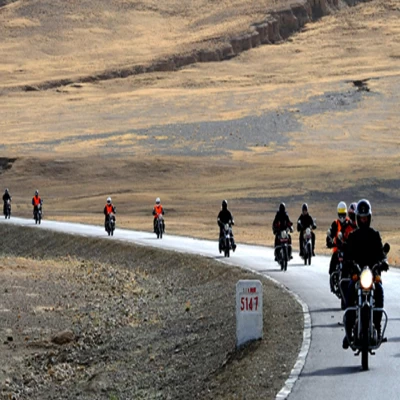
Tibet is one of the most fascinating, spiritually powerful and geographically extraordinary destinations in the world. Often called the “Roof of the World,” Tibet stretches across the immense Tibetan Plateau, where dramatic Himalayan mountains, sacred lakes, ancient Buddhist monasteries, traditional villages and vast high-altitude landscapes create an unforgettable setting for adventure and cultural discovery. From the historic streets of Lhasa to the northern face of Mount Everest, every journey reveals interesting facts about Tibet that make this legendary destination unlike anywhere else on Earth. Situated at an exceptionally high elevation, Tibet is home to some of the world’s greatest natural and cultural treasures. Lhasa, the historic and spiritual heart of Tibet, stands at approximately 3,650 metres above sea level. Its most recognizable landmark, the magnificent Potala Palace, forms part of a UNESCO World Heritage ensemble together with Jokhang Temple and Norbulingka. These remarkable sites preserve centuries of Tibetan architecture, Buddhist traditions, sacred artwork and pilgrimage history. However, the interesting facts about Tibet extend far beyond its famous monuments. Tibet contains turquoise lakes surrounded by snow-covered mountains, centuries-old monasteries filled with prayer halls, colourful prayer flags fluttering across high passes and remote communities that continue to protect their traditional way of life. Yamdrok Lake, Namtso Lake, Gyantse, Shigatse, Tashilhunpo Monastery, Rongbuk Monastery, Mount Kailash and Lake Mansarovar are among the most important places included in the best Tibet tours. Golden Tibet Travel offers carefully designed Tibet tour packages for travellers with different interests, travel durations and adventure levels. Visitors with limited time can select the Short Tibet Tour and explore the major attractions of Lhasa, including Potala Palace, Jokhang Temple, Barkhor Street, Sera Monastery and Drepung Monastery. Those seeking a deeper cultural journey can choose the Lhasa and Shigatse Tour or a Day Tour to Ganden Monastery. Adventure travellers can experience the famous Lhasa–Everest Base Camp Tour, Tibet Overland Tour or Lhasa Everest Base Camp Trekking package. These journeys travel across the Tibetan Plateau through Yamdrok Lake, Gyantse, Shigatse and high Himalayan passes before reaching the spectacular northern side of Mount Everest. Tibet’s Everest Base Camp is located at approximately 5,200 metres, offering one of the most powerful mountain panoramas available by an overland journey. Golden Tibet Travel also provides specialised Tibet trekking packages, including the Tibet Chimpuk Hermitage Trek and Lhasa Namtso Lake Trekking. These tours combine mountain scenery, remote landscapes, meditation caves, traditional settlements and peaceful monasteries. Travellers looking for a more energetic Himalayan experience can select the Tibet Motorbike Tour, which offers an exciting way to cross Tibet’s open highways and high mountain passes. For spiritual travellers, the Overland Kailash Lake Mansarovar Tour is one of the most meaningful Tibet pilgrimage tours. Sacred Mount Kailash and Lake Mansarovar attract pilgrims and spiritual seekers from different religious traditions. The Kailash with Guge Kingdom Tour extends the experience into western Tibet, combining the sacred Kailash region with ancient ruins, remote valleys and the historical remains of the mysterious Guge Kingdom. Foreign visitors generally need advance travel authorization for Tibet, and travel arrangements are normally organised through an authorised travel company. Golden Tibet Travel assists travellers with Tibet tour planning, accommodation, transportation, local guiding and the required travel documentation according to the latest applicable regulations. Whether you are searching for a cultural Lhasa tour, Tibet Everest Base Camp tour, Mount Kailash pilgrimage, Namtso Lake trekking adventure, Tibet motorbike journey or Nepal–Tibet overland tour, Tibet offers experiences filled with spirituality, natural beauty and ancient history. Through professionally organised Tibet tour packages from Golden Tibet Travel, visitors can discover the most interesting facts about Tibet while experiencing its sacred landmarks, welcoming communities and breathtaking Himalayan landscapes.
Top Interesting Facts About Tibet That Will Make You Want to Visit
Tibet is not simply another holiday destination. It is a land of extraordinary altitude, sacred mountains, turquoise lakes, ancient monasteries and deeply rooted Buddhist traditions. Travellers can explore Lhasa’s cultural landmarks, follow spectacular roads to Mount Everest, complete a spiritual pilgrimage around Mount Kailash, cross the Himalayas from Nepal or experience one of the world’s greatest high-altitude railway journeys.
Through professionally organised Tibet tour packages, Golden Tibet Travel helps travellers discover the region through cultural tours, pilgrimage journeys, overland adventures, trekking experiences and customised Himalayan holidays.
Tibet Is Known as the Roof of the World
One of the most interesting facts about Tibet is that it occupies much of the Tibetan Plateau, widely recognised as the highest and largest plateau on Earth. Large parts of the plateau rise more than 4,000 metres above sea level, creating an immense landscape of open grasslands, snow-covered mountains, glacial valleys and high-altitude wilderness.
This exceptional geography gives visitors the feeling of travelling above the rest of the world. The thin air, powerful sunlight, enormous blue skies and distant Himalayan horizons make even an ordinary road journey through Tibet feel extraordinary.
Lhasa’s Potala Palace Stands at Around 3,700 Metres
The magnificent Potala Palace is the most recognisable symbol of Tibet. Built on Red Mountain in the centre of the Lhasa Valley, the UNESCO-listed complex stands at approximately 3,700 metres above sea level. Its enormous White Palace, Red Palace, chapels, halls and historic religious structures dominate the Lhasa skyline.
The UNESCO World Heritage property also includes Jokhang Temple and Norbulingka, presenting travellers with an exceptional introduction to Tibetan Buddhist architecture, history and spiritual traditions. Watching the sunlight fall across the red-and-white walls of the Potala Palace is one of the unforgettable highlights of any Lhasa sightseeing tour.
Best-matched package: Short Tibet Tour or Lhasa City Tour
Jokhang Temple Is the Spiritual Heart of Lhasa
While the Potala Palace represents Tibet’s architectural grandeur, Jokhang Temple represents its living spiritual heart. Founded in the seventh century, Jokhang is an exceptional Buddhist religious complex and an important part of Lhasa’s UNESCO World Heritage ensemble.
Around the temple, pilgrims complete a sacred walking circuit while local residents, monks and visitors move through the traditional streets of the old city. Prayer wheels, incense, religious devotion and historic architecture make the Jokhang and Barkhor area one of the best places to experience the spiritual atmosphere of Tibet.
A visit here is not only sightseeing. It allows travellers to observe how ancient traditions continue to influence everyday Tibetan life.
Best-matched package: Lhasa Cultural Tour
Travellers Can See the Northern Face of Mount Everest
Mount Everest, called Qomolangma in Tibet, rises on the border between Tibet and Nepal and reaches 8,848.86 metres above sea level. The Tibetan side offers travellers dramatic views of the mountain’s powerful northern face.
Unlike the trekking route to Everest Base Camp in Nepal, the Tibetan journey is primarily an overland adventure. Travellers can drive from Lhasa through Yamdrok Lake, Gyantse, Shigatse, high mountain passes and vast plateau landscapes before approaching the Everest region. A Lhasa government travel guide notes that the journey to the base-camp area follows roads for roughly 600 kilometres from Lhasa.
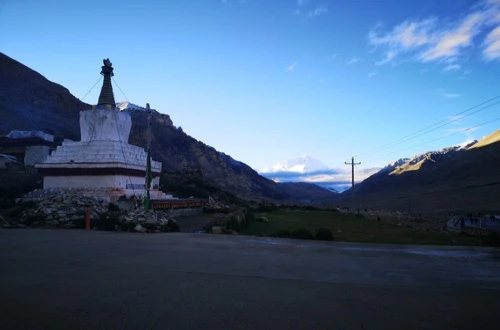
The combination of Mount Everest, Rongbuk Monastery, Tibetan villages and Himalayan panoramas makes this one of the most popular Tibet adventure tours.
Best-matched package: Lhasa to Everest Base Camp Tour
Mount Kailash Is Sacred to Four Religious Traditions
Mount Kailash is one of the world’s most spiritually significant mountains. It is revered by followers of Hinduism, Buddhism, Jainism and the ancient Bon tradition. Rather than attempting to climb the sacred mountain, pilgrims complete a ritual journey around it, known as a kora or parikrama.
The sacred circuit takes travellers through remote valleys, dramatic mountain passes and an unforgettable western Tibetan landscape. For many visitors, the journey is not simply an adventure but a deeply personal experience involving faith, endurance and spiritual reflection.
Mount Kailash’s isolation, distinctive shape and religious importance make the Kailash Mansarovar Tour one of the most meaningful pilgrimage journeys in Asia.
Best-matched package: Mount Kailash and Lake Mansarovar Tour
Tibet Is Home to Spectacular Sacred Lakes
Tibet’s high-altitude lakes are among its greatest natural attractions. Yamdrok Lake is a remarkable turquoise freshwater lake situated at approximately 4,441 metres. Its winding shoreline, surrounding mountains and intense blue water make it one of the most photographed places on the journey between Lhasa and Gyantse.
Namtso Lake lies at around 4,718 metres and is surrounded by the Nyenchen Tanglha Mountains and the open grasslands of northern Tibet. Its Tibetan name is commonly translated as “Heavenly Lake,” an appropriate description for its enormous blue surface and remote setting.
Lake Mansarovar, situated close to Mount Kailash, holds profound religious importance and is an essential destination for many pilgrims. Together, these lakes show why Tibet is as famous for spiritual landscapes as it is for mountains.
Best-matched package: Yamdrok Lake Tour, Namtso Lake Trek or Kailash Mansarovar Tour
Tibetan Monasteries Were Important Centres of Learning
Tibet’s monasteries are not only religious monuments. Historically, many functioned as major centres for philosophy, medicine, logic, meditation, Buddhist scripture and academic debate.
Drepung, Sera and Ganden are recognised as the three great Gelug monastic centres associated with Lhasa. Drepung became particularly famous as a major centre of Tibetan Buddhist education, while traditional monastic debate remains one of the most fascinating practices visitors associate with Tibet’s religious institutions.
In Shigatse, Tashilhunpo Monastery was founded in 1447 and became the traditional seat of the Panchen Lama. Its architecture, religious artwork, halls and mountain setting make it an essential stop between Lhasa and Everest.
Best-matched package: Lhasa, Gyantse and Shigatse Cultural Tour
Tibet Has One of the World’s Most Extraordinary Railway Journeys
The Qinghai–Tibet Railway connects Xining with Lhasa across 1,956 kilometres of plateau terrain. Its highest point reaches approximately 5,072 metres above sea level, making it the world’s highest railway line and one of the greatest modern engineering achievements in high-altitude transportation.
Passengers travel across enormous grasslands, mountain passes, rivers, lakes and sections of permafrost while gradually ascending towards Lhasa. The railway experience is popular among travellers who want to appreciate the scale of the Tibetan Plateau before beginning their sightseeing programme.
A Tibet train tour can be combined with Lhasa, Yamdrok Lake, Shigatse, Everest Base Camp or Namtso Lake.
Best-matched package: Tibet Train Tour with Lhasa Sightseeing
The Tibetan Plateau Protects Rare Wildlife
The Tibetan Plateau contains remote ecosystems that support animals specially adapted to cold temperatures, strong winds and low-oxygen environments. One of the most remarkable species is the Tibetan antelope, known for its long-distance seasonal migration across the plateau.
The UNESCO-listed Qinghai Hoh Xil property protects an important Tibetan antelope migration route and contains high-altitude mountains, grasslands, lakes and largely undisturbed wilderness. The region also supports rare wildlife such as wild yak, snow leopard and black-necked crane.
Wildlife encounters cannot be guaranteed, but journeys across remote areas offer travellers a chance to appreciate the ecological importance and extraordinary scale of the Tibetan Plateau.
Best-matched package: Tibet Nature and Photography Tour
Tibetan Festivals Bring Religion and Culture Together
Tibetan festivals combine religious ceremonies, community gatherings, traditional clothing, music, food and pilgrimage. Losar, the Tibetan New Year, is one of the most important celebrations of the year. Families prepare their homes, make religious offerings and gather for traditional meals and ceremonies.
Other important events include Saga Dawa, connected with significant moments in the life of the Buddha, and the Shoton Festival, traditionally associated with monasteries, religious displays and cultural performances. Religious and traditional festivals continue to take place at monasteries and communities across Tibet.
Travelling during a festival period can provide a colourful cultural experience, although dates follow the Tibetan lunar calendar and may vary annually.
Best-matched package: Tibet Festival Tour or Cultural Lhasa Tour
Tibetan Daily Life Has Its Own Distinctive Traditions
The cultural experience of Tibet extends beyond palaces and monasteries. Travellers may see pilgrims completing kora circuits, spinning prayer wheels, making prostrations and placing prayer flags at mountain passes and sacred locations.
Traditional Tibetan food reflects the demands of life at high altitude. Tsampa, made from roasted barley flour, is an important staple, while salted butter tea is one of Tibet’s best-known traditional drinks.
Meeting local communities, visiting traditional neighbourhoods and learning respectful cultural behaviour can make a Tibet journey much more meaningful. Travellers should approach religious places, pilgrims and ceremonies with patience and respect rather than treating them only as photographic attractions.
Best-matched package: Authentic Tibet Cultural Experience
Tibet Can Be Combined With Nepal in One Himalayan Journey
One of the most exciting facts for international travellers is that Tibet can be combined with Nepal in a single multi-country holiday. Travellers may enter Tibet from Nepal through the Kerung or Gyirong border on an overland journey, or travel between Kathmandu and Lhasa by air.
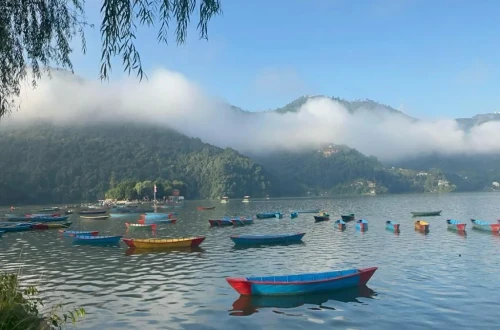
The overland route presents a dramatic transformation from Nepal’s green hills and Himalayan valleys to Tibet’s vast, dry and elevated plateau. Depending on the itinerary, travellers can combine Kathmandu, Kerung, Everest Base Camp, Shigatse, Gyantse, Yamdrok Lake and Lhasa in one extraordinary road journey.
Golden Tibet Travel can arrange cultural tours, Himalayan road trips and customised Nepal and Tibet tour packages based on travellers’ available time, interests and preferred travel style.
Best-matched package: Nepal–Tibet Overland Tour
Why Visit Tibet?
These interesting facts about Tibet reveal a destination where nature, spirituality, history and adventure exist together. Few places allow travellers to visit a seventh-century religious centre, cross passes above 5,000 metres, see the northern face of Mount Everest, walk beside sacred lakes and experience living Buddhist traditions during the same journey.
Whether you are searching for the best Tibet tours, a short Lhasa holiday, a Tibet Everest Base Camp adventure, a Mount Kailash pilgrimage, a Namtso Lake journey, a Tibet train tour or a Nepal–Tibet overland package, Golden Tibet Travel can create a carefully planned itinerary for your interests, schedule and budget.
.webp)